Money and Bills
Your Water Bill Doubled and Nothing Changed: How to Find the Leak and Get the Bill Adjusted
A spike in your water bill can be fixed - as long as you record the leak and meet the utility's filing deadline. The first step is detecting the leak, from meter to fixtures.
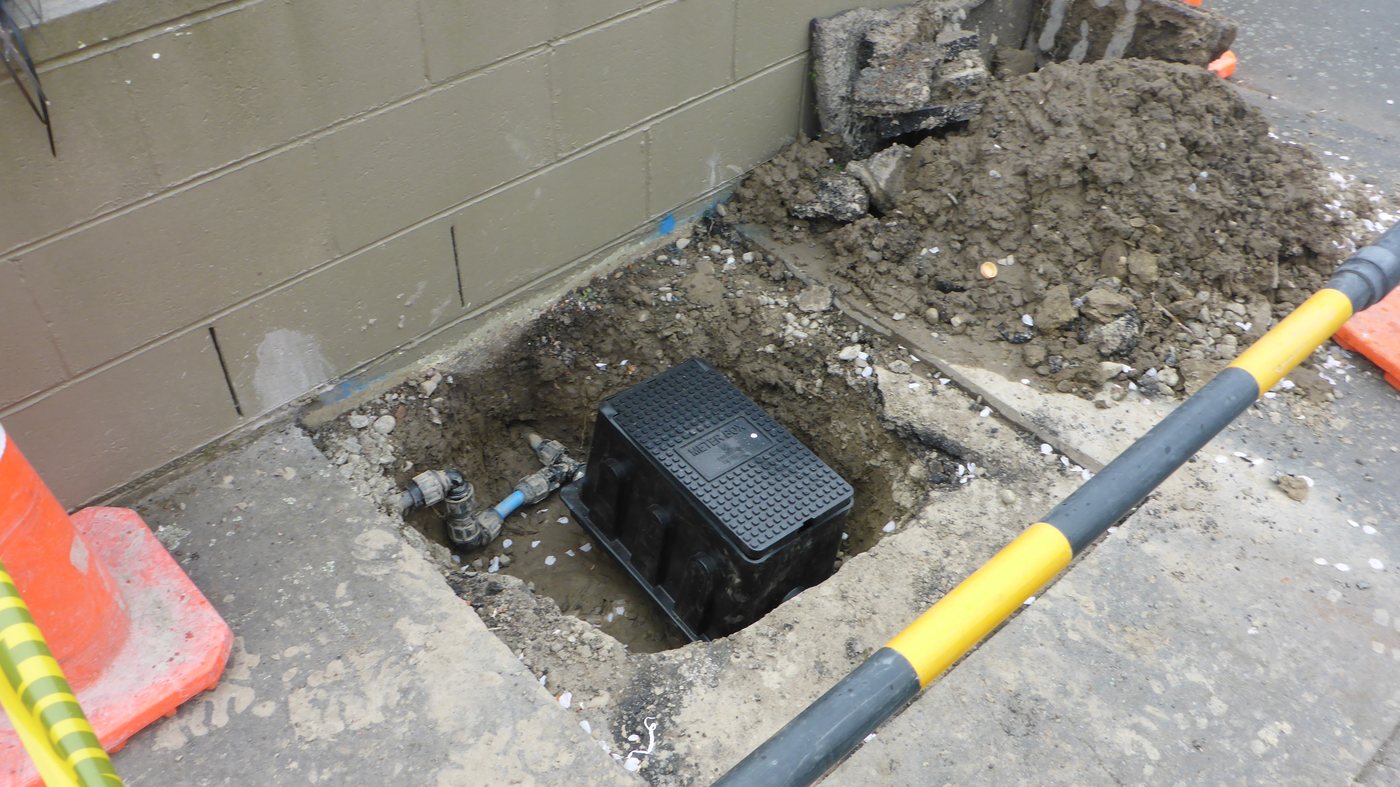
A spike in your water bill can be fixed - as long as you record the leak and meet the utility's filing deadline. The first step is detecting the leak, from meter to fixtures. Next, you'll need to document the repair to the utility's satisfaction, within a strict deadline.
Leak detection: Start at the meter, then eliminate fixtures
Begin the search at the water meter. Check the leak indicator if your meter has one, or allow at least 24 hours for a standard test. With all taps turned off, use the meter reading to check your household's water consumption.
Mark the reading, then wait a few hours with no taps or appliances in use. Any change in reading means a leak between the meter and the house. If the meter stays still, the culprit is in the plumbing inside.
To stop using more water through individual leaks:
- Flush toilets, look for running toilets
- Washing machines can cause drip leaks at faucets and shower heads
- sprinkler systems can leak at the pipes
Some leaks qualify for a bill credit, but others may not be eligible. Check the following section on qualifying leaks.
When the leak is hidden, adjustments may be possible
Many water companies will adjust bills for leaking water that flows right underground, or into building foundations, without first passing through a faucet or toilet. These tend to be harder for a customer to catch than a drip in the sink or a running toilet.
A slab leak occurs under the house’s concrete foundation. Signs include hot spots on the floor, cracks in walls, and a musty or moldy smell.
Another risk zone is the water pipe between the street and the meter. An underground leak might be heard gurgling when the ground is quiet, or a soft spot is visible in the yard when the ground is dry. Water pooling, shooting up, or puddling on the lawn, with no sprinkler visible, is another sign of leaking outdoor pipes.
If you’ve been using a sprinkler, the water company may blame that for a high bill, unless you’ve got records showing unusually high water use or unforeseen spending.
In Houston, the city’s water code allows customers who lose water due to an "excusable defect in the customer’s water line." Faucet and toilet leaks may not qualify for adjustments.
In order to qualify for a leak adjustment, Long Beach Utilities requires only one leak request per customer, every three years; also, the high-bill usage must be at least double the totals from the previous year.
What the utility will ask for
Austin Water requires a copy of the leak repair receipt or paid invoice, the Austin Water account number, the property address, the date range of high bill charges caused by the leak, and the date and description of the repair.
Fort Worth Water requires a repair receipt or paid-in-full invoice, the water account number, the property address, the range of high-bill dates caused by the leak, and the date and description of the repair.
Long Beach Utilities requires all relevant repairs to be completed before the adjustment request is submitted, corrective action within 45 days after the billing date of the affected bill, and proof of repairs or justification attached to the application.
The City of Houston requires customers to submit a form within six months of the repair date, with a credit amount depending on how recently the repairs were completed.
Deadlines and how much credit is possible
- Austin Water: 90 days
- Fort Worth Water: 60 days
- Long Beach Utilities: 45 days after billing date, once every 3 years
- The City of Houston: six months, 100/75/50% credit
- Hillsborough County: usage must have returned by the bill after repairs
Water leak adjustments are common, but not universal. South Bend, Indiana, for example, does not currently offer the credit, according to its billing FAQ.
You Can Fix a High Water Bill - If You Record the Proof
Checking at the meter, ensuring that no major fixture is running, and checking for hidden leaks are the first steps. But a high water bill is not a high water bill until a repair is documented, and a leak complaint is not a leak complaint until it meets the utility's filing rules.