Money and Bills
Fixed vs Variable Electricity Plans: Which One Actually Costs Less Over a Full Year
In Texas, natural gas deregulation opened the market to competition, allowing electricity companies to offer both fixed-rate and variable-rate pricing.
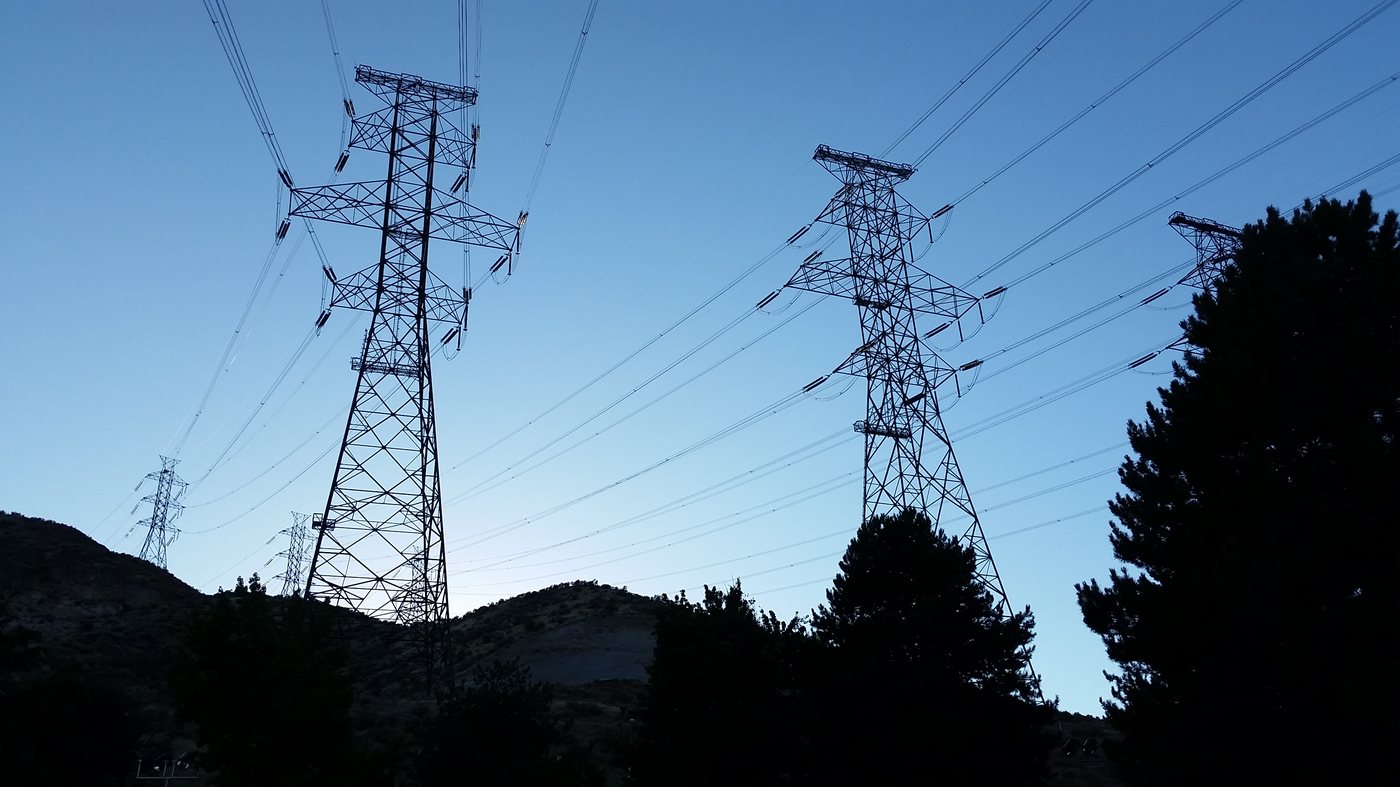
In Texas, natural gas deregulation opened the market to competition, allowing electricity companies to offer both fixed-rate and variable-rate pricing. While fixed-rate plans promise a consistent energy charge per kilowatt-hour (kWh) for the contract term, variable-rate plans provide more flexibility but offer less price certainty. The choice between these plans can have a significant impact on your annual electricity bill.
When comparing fixed vs. variable electricity plans across a full 12-month period, it's crucial to look beyond the initial teaser rates and consider a black-box average — the all-in cost on an even basis, not just the headline per kWh. According to figures published by Electricity Plans, a fixed-rate electricity plan locks the rate per kWh for the entirety of the contract, while still allowing delivery charges and other fixed fees to pass through. In contrast, the same article states that variable-rate electricity plans are month-to-month and can fluctuate from one billing period to another, typically with no limits.
What Each Plan Actually Locks
Understanding what each plan locks in is essential when deciding between fixed and variable electricity pricing.
With a fixed-rate plan, the energy charge per kWh remains unchanged for the entire contract term, which can range from 3 to 60 months in length. A Watt Owl analysis from earlier this year found that 12-month terms were the most prevalent, followed by 36-month and 24-month terms.
Plans from 3 months look sparse in winter, with 15-month options more common in summer.
In contrast, variable-rate plans are always month-to-month and can change from one billing period to the next, depending on the provider's current costs and market conditions.
According to Texas power retailer TexasPowerCost, some variable-rate plans may provide advance notice before raising the rate. Both for Texas and U.K. regulator guidance, we recommend always reading the plan literature for any fiddly exceptions, like variable plan usage tiers or bonus charges. most fixed plans tend to come with an early termination fee (ETF) if the customer decides to switch providers before the contract ends.
The Contract Clock
When choosing between a fixed-rate and variable-rate electricity plan, it's essential to consider the contract clock. Here are some key points to keep in mind:
Fixed-rate plans: In Texas, a fixed-rate plan locks in the energy charge per kWh for the entire contract term, which can range from 3 to 60 months. TexasPowerCost describes the most common terms as being 12, 36, and 24 months. At the end of the fixed rate term, the contract auto-renews on month-to-month terms, and the new month-to-month rate may increase significantly.
With a fixed plan, expiration notices are crucial. Watt Owl documentation suggests that 98% of fixed plans have an early termination fee, and TexasPowerCost reports that most fixed-term plans include an early exit fee.
Termination Fees and Notice Rules
TexasPowerCost claims that most fixed-rate contracts in Texas include an early termination fee (ETF) of around $150 to $295, with some plans charging up to $1,000. In Texas, the law protects subscribers if they’re in the final 14-day period before expiration. The customer can switch (without minimum term or early termination fee) in the final 14 days of the contract, according to Texas law.
The Hidden Switch Cost
When deciding between fixed-rate and variable-rate electricity plans, it's essential to consider the potential costs of switching providers early. In Texas, most fixed-rate plans include an early termination fee (ETF) if the customer decides to terminate the contract before the end of the term. According to TexasPowerCost, the ETF typically ranges from $150 to $295, with some plans charging up to $1,000.
The ETF is designed to encourage customers to stick with their chosen provider for the entire contract term. However, it's important to note that the ETF can add significant costs to the total bill, especially if the customer decides to switch providers early.
It's worth noting that the term length isn't necessarily the only factor impacting the cost of the ETF. Some plans may have a higher ETF than others, regardless of the contract length. This means that it's essential to carefully review the terms and conditions of each plan before making a decision.
According to Watt Owl’s snapshot report for 2026, 98% of all fixed-time plans are associated with an early termination fee. The median ETF is $180, based on 614 snapshots.
For example, if a customer signs up for a 12-month fixed-rate plan with an ETF of $200, they may decide to switch providers after just six months. In this case, they would be responsible for paying the remaining six months' worth of energy charges at the fixed rate, plus the $200 ETF. This could result in a significant additional cost, especially if the customer could have found a cheaper variable-rate plan during that time.
On the other hand, variable-rate plans typically don't come with an ETF, as the customer can switch providers at any time without penalty. However, it's important to note that the rates for variable-rate plans can be unpredictable, and the customer may end up paying more in the long run if the rates increase.
In conclusion, when comparing fixed-rate and variable-rate electricity plans, it's crucial to consider the potential costs of switching providers early. Carefully reviewing the terms and conditions of each plan, including any ETFs, can help customers make an informed decision and avoid unexpected costs.
How to Compare Offers on Equal Footing
When comparing fixed-rate and variable-rate electricity plans, it's essential to ensure that you're evaluating the offers on an equal footing. Here are some steps to help you make an accurate comparison:
Compare the total cost: Rather than focusing solely on the energy charge per kWh, consider the total cost, including any standing charges, delivery fees, and other applicable charges. Use consistent usage levels: To make an accurate comparison, use the same estimated usage level for both fixed-rate and variable-rate plans. This will help you understand how each plan's pricing structure will impact your total cost. Consider the contract length: Fixed-rate plans have a set contract length, typically ranging from 3 to 60 months. In contrast, variable-rate plans are month-to-month with no long-term commitment. When comparing offers, consider whether you're comfortable with a long-term contract or prefer the flexibility of a variable-rate plan. Check for any promotional offers or rate tiers: Some electricity providers may offer promotional rates or tiered pricing structures for fixed-rate plans. Make sure to factor these into your comparison and understand the terms and conditions.
Here's an example of how to compare offers on equal footing:
Let's say you're comparing two electricity plans:
A 12-month fixed-rate plan with an energy charge of $0.12 per kWh, a standing charge of $10 per month, and an ETF of $180. A variable-rate plan with an energy charge of $0.13 per kWh, a standing charge of $5 per month, and no ETF.
Assuming an estimated usage of 1,000 kWh per month, here's how the total cost would break down:
| Fixed-Rate Plan | Variable-Rate Plan | |
|---|---|---|
| Energy charge | $120 | $130 |
| Standing charge | $10 | $5 |
| Delivery fees | $15 | $10 |
| ETF (if switching after 6 months) | $180 | $0 |
| Total cost (for 12 months) | $1,775 | $1,740 |
Based on this comparison, the variable-rate plan would be cheaper over a 12-month period, assuming the energy charge remains constant. However, it's essential to note that this is just one scenario, and the actual costs could vary based on your usage level, the plan length, and any changes to the variable rate.
By following these steps and considering all the relevant factors, you can make an informed decision when comparing fixed-rate and variable-rate electricity plans.
Why Usage Level Changes the Answer
When comparing fixed-rate and variable-rate electricity plans, it's essential to consider how your usage level could impact the overall cost. The answer to whether a fixed or variable rate plan is more cost-effective can vary depending on your consumption habits.
If you have predictable usage patterns and can estimate your monthly consumption accurately, a fixed-rate plan may be the better option. With a fixed-rate plan, you can lock in a competitive rate for your anticipated usage, giving you certainty about your energy costs over the contract term. This can help you budget more effectively and avoid any surprises if your usage fluctuates.
On the other hand, if your usage is more erratic or unpredictable, a variable-rate plan might be a better fit. Variable-rate plans offer the flexibility to adjust your energy consumption without being tied down to a long-term contract. This could be beneficial for households with changing energy needs or for those who want to take advantage of potential savings during periods of lower usage.
Another factor to consider is your home's energy efficiency. If you've invested in energy-saving measures, such as upgrading to energy-efficient appliances or improving your home's insulation, your usage may be lower and more predictable. In this case, a fixed-rate plan might offer better long-term savings, as you can secure a competitive rate for your lower consumption.
If you haven't yet made energy-saving improvements, a variable-rate plan could still be a viable option. Variable-rate plans often come with incentives for energy-saving upgrades, which can lead to long-term savings and a lower overall cost.
Ultimately, the best choice between a fixed-rate and variable-rate electricity plan will depend on your specific energy usage and preferences. It's essential to carefully consider your consumption patterns, budgeting needs, and home efficiency to make an informed decision.
What to Expect with Market Behavior
While seasonal variations in wholesale electricity prices can influence the cost of variable-rate plans, it's essential to understand that these fluctuations are not guaranteed or fully predictable. Factors such as weather conditions, grid demand, and generator maintenance can all impact the wholesale price of electricity, which, in turn, affects the rates offered by variable-rate providers.
In general, it's not uncommon to see variable rates increase during periods of high demand, such as summer heat waves or winter cold snaps. During these times, the increased usage of air conditioning or heating systems can strain the energy grid, driving up the wholesale price of electricity.
Conversely, during milder seasons or when energy demand is lower, variable rates may decrease. This can happen during spring or fall when weather is more temperate, or during periods of high renewable energy generation, such as on sunny or windy days.
However, it's essential to note that these trends are not guaranteed, and individual providers may have their own pricing strategies that do not necessarily follow the broader market movements. Some variable-rate plans may include a guarantee that the rate will not increase, regardless of market conditions. Others may have a cap or stabilization factor that limits the impact of extreme price changes.
When choosing a variable-rate plan, it's crucial to carefully review the plan's terms and conditions to understand how fluctuations in the wholesale electricity price may impact your monthly bill. Be sure to consider factors such as any guarantees, rate stabilization, or potential rate increases that may occur during periods of high demand.
Ultimately, while seasonal variations in wholesale electricity prices can impact the cost of variable-rate plans, it's essential to approach these fluctuations with a balanced perspective. Variable-rate plans offer flexibility and the potential for savings, but they also come with the risk of rate increases during times of high demand. By carefully evaluating your energy usage, budgeting needs, and understanding the specifics of each plan, you can make an informed decision about which type of electricity plan is right for you.
Conclusion
When it comes to choosing between fixed-rate and variable-rate electricity plans, there are several factors to consider. The final window for exiting a contract without an early termination fee can significantly impact the cost, especially if your energy needs or plans change. By understanding the contract terms, comparing the total cost, and considering your usage patterns, you can make an informed decision that suits your needs.
Fixed-rate plans offer predictability and can help you lock in a competitive rate for your anticipated usage, making budgeting more manageable. However, they may come with long-term commitments and early termination fees if you decide to switch providers before the contract ends.
Variable-rate plans, on the other hand, offer flexibility and the potential for savings during periods of lower usage or mild weather. They don't typically come with an early termination fee, allowing you to switch providers at any time. However, the rates can be unpredictable, and fluctuations in the wholesale electricity price can lead to higher costs during times of high demand.
Ultimately, the best choice between a fixed-rate and variable-rate electricity plan will depend on your specific energy usage, budgeting needs, and preferences. By carefully reviewing the terms and conditions of each plan, comparing offers based on total cost, and understanding the potential risks and rewards, you can make an informed decision that helps you save money on your electricity bill in the long run.