Home and Property
What a Home Inspection Covers — and the Things It Never Checks
A standard home inspection is a technical, visual review, not an exhaustive diagnostic. The verification of hidden, built-in systems remains outside its scope.
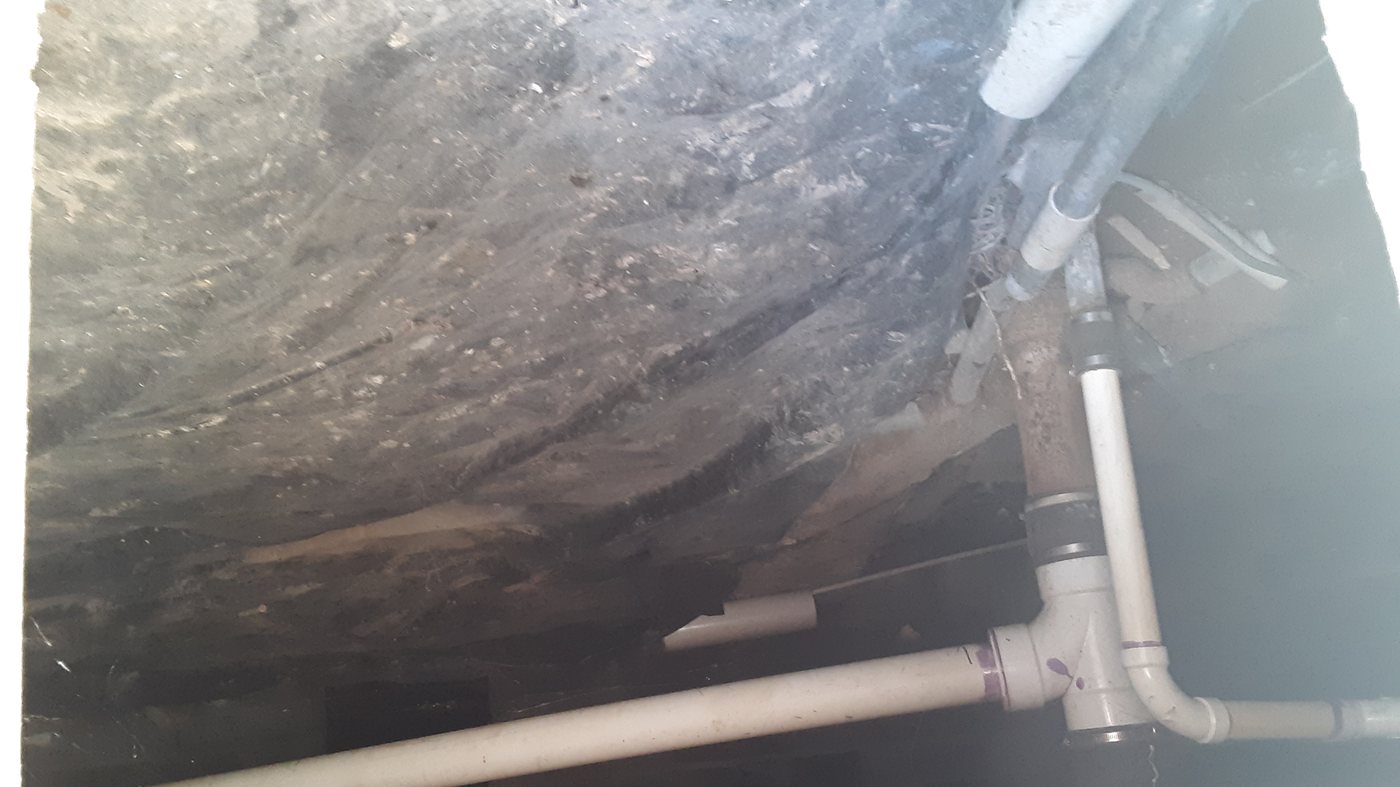
A standard home inspection is a technical, visual review, not an exhaustive diagnostic. The verification of hidden, built-in systems remains outside its scope.
A home inspection is a limited, non-invasive visual examination of the readily accessible areas and systems of a property. Inspectors check for material defects in what they observe under standard conditions. "Readily accessible" means seen and tested without damage, without dismantling, and without removing personal property.
The inspector does not carry out destructive testing, operate unknown switches (beyond a normal function check), open all doors, move personal items, enter confined spaces without special training, use horizontal borescopes or drones, or dislodge the building.
Despite its limits, the inspection is as close as most buyers get to a professional review of the property's circulatory systems. Here is a closer look at its blind spots — and how to fill the other gaps in a deal-supported follow-up.
What the inspector does not routinely test for
A general inspection reports on visible, accessible systems. This is not a full tech audit, a code check, or a liability review. Count on the buyer to tell you about these exclusions without those pieces built into the default scope:
- Asbestos and lead paint tests
- Radon, mold, or other environmental tests
- Septic system evaluations
- Sewer lateral conditions
- Pool and spa operations
- Code compliance
- Accessory building integrity
- Easement violation checks
- Termite and pest activity
- Appliance performance beyond function
- Chimney flue checks
- Hidden structural conditions
- Fixture flow or connection checks
The inspector cannot tell you about defects hidden by walls, buried in dirt, buried under water, wired from accessible sources, or working outside of the building. They can flag the missing testing as a potential concern, but only specialists can investigate further.
How to order other inspections
A standard inspection can tell you quickly if the seller is hiding anything obvious, but beyond that, let the buyer spell out what further checks are needed. If in doubt, ask for the standard to confirm:
- Sewer lateral condition
- Pool and spa condition
- Chimney condition
- Termite inspections
- Lot line checks
- Soil stability checks
The general inspection can flag these concerns, but buyers are on their own for who to hire to address them.
How to read a general inspection report
A general home inspection report is often the buyer's first professional look at the property. It often shares the buyer's language on any material defects found. For many, an "immediate repair" category is already too loose, but this is not a code or liability review.
Inspectors may vary in their extra labels for severity or risk, so ask the buyer for the governing definitions. Inspections also vary a bit by state and the buyer's rules or preferences, so read the scope with the selling narrative. If the buyer or seller wants to interpret, the adjectives are typically used this way:
- Material defect: a "major deficiency" or clear risk — a cost to fix soon
- Minor defect: a "cosmetic" issue that reduces value, but not safety
- Monitor: a watch for repair as part of an appliance maintenance program
- Unwarranted: a future maintenance condition, like a washer bearing
Anything qualifies for a repair request that falls clearly in the first category. The second one just affects a price ploy. Anything else is just for an indication of the property's level of upkeep. What falls in what category is different in each local market, and is never cut and dried.
How to use it in a selling negotiation
This is the missing puzzle. Reports can recommend repairs, but the buyer decides what is negotiation-worthy. A defect that meets these two criteria is usually actionable.
- The repair costs a significant amount
- The defect affects safety, livability, or resale value
Anything under that line is usually left for a new buyer to address.
With repairs to what's caught in the buyer-friendly contract, negotiation usually comes to a halt and the sale goes forward until another problem is discovered. Once the buyer has the house, the seller has typically no involvement beyond what is agreed to in writing. Further problems are now the buyer's responsibility, and the seller is protected from the ensuing consequences of discovery.