Schools and Family
School Zones and Transfers: Moving Your Child to Another Public School
At face value, there's not much you can do to alter the school a district-assigned student will be in; attendance zones roughly based on residence are the baseline rule.
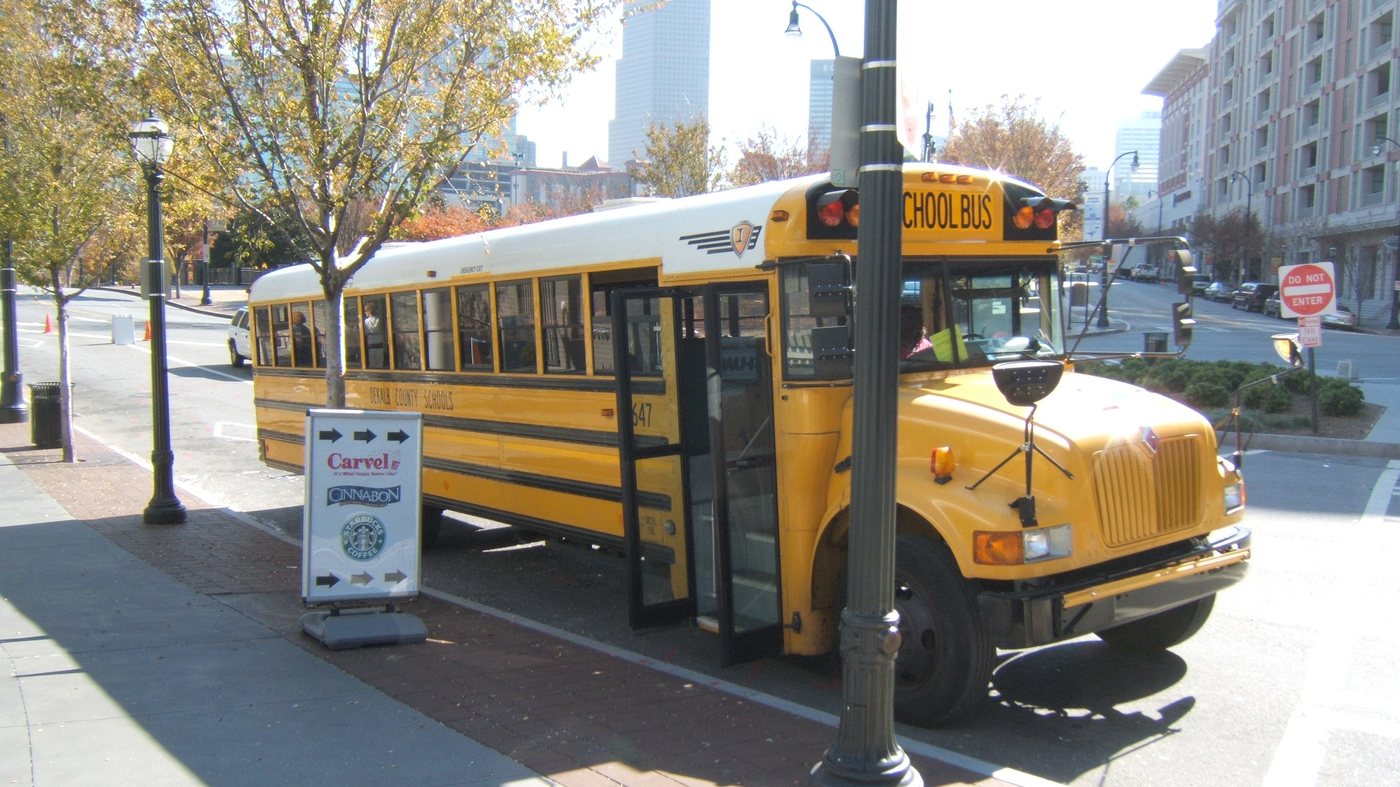
At face value, there's not much you can do to alter the school a district-assigned student will be in; attendance zones roughly based on residence are the baseline rule. But it is possible to transfer to a different public school in your district or another district, if you meet the deadlines and show a school-approved reason due to a documented hardship. Finding where those local rules are attributed may be your hardest part.
Attendance zones: The given school assignment
By default, public school assignment in districts across the country is by attendance area, also called an attendance boundary line or school boundary. In California, for example, a district's policy states that students are assigned to schools in the attendance areas of their legal residence. Neighboring districts like Pasadena Unified School District (PUSD) set up residence-based assignment as well, saying they assign students to schools by geographic zones. Carroll ISD also calls out attendance-area assignment.
The basic rule is that a student is required to go to a school in the attendance zone where they live, unless they are eligible for a transfer or exchange. As an example, a U.S. Department of Justice document on the Calhoun transfer policy describes a rule where every student in the district is required by default to attend the school in their attendance zone, unless they're eligible for a transfer.
One of the common misconceptions is that because a school may be the nearest, it is automatically assigned. But districts often govern assignment by attendance, not proximity. A PUSD policy document says that no student currently in a school's attendance area shall be displaced by a student transferring to that school from outside the attendance area.
Transfer within the district (intradistrict transfer/open enrollment)
In the same district, parents can request a student enroll in a different school than the one assigned to their attendance boundary. The term for this action is an "intradistrict transfer" in many areas, with California's Department of Education describing it as a request to enroll a student at a school other than the designated attendance-area school. California says that when students request to change schools under intradistrict transfer, parents keep the child in a school district of residence while moving the assigned school.
In some areas, an intradistrict transfer may also be a means to overcome capacity limits or school-choice barriers. PUSD describes intradistrict transfer and open enrollment as a way to address space concerns and ensure equitable access. It isn't clear whether opening transfer is the norm or if hitching attendance policy to it is district-specific; California describes a general right to request.
To make this specific, starting with area maps is useful. Public K-12 schools often post attendance area maps as PDFs, giving the targeted school's designated zone along with the other schools' zones and schools the state assigns to each.
Once you've figured out which schools aren't in your attendance zone, it's important to look for the policy document or page saying whether your district allows intra-sector transfers. The district page is on the district website, and each puts a different name on it. Around the country, it may be called Information Area Policy, Attendance Zone Policy, School Assignment, or roughly similar. Whatever the name, the district gives procedures for a parent to request that a student be assigned to a school outside their residence zone. Waller ISD says requesting happens once a year, in May, while Broken Arrow Public Schools ties it to a general admission policy.
The reason you provide for intrazonal transfer can make or break the request—you may give distance to the assigned school, afterschool needs deemed to require school change, or an unspecified hardship. Some district rules may also allow a parent to swap to another school if the school assigned is not "open" or available for more students, as PUSD's policy suggests.
Transfer to another district (interdistrict transfer)
Even if a move is covered by an approved hardship, it may extend to another district if the actual move spans county or state lines, differentiating interdistrict transfers from intrazonal transfers. The distance may be miles, and that doesn't trigger a school assignment update in some areas. In a posting dating from 2024, Carroll ISD distinguished between intradistrict and interdistrict transfers, saying an interdistrict transfer referred to a student going to a school in a separate county, in the United States.
This raises several procedural differences between intrazonal transfer and between-districts transfer. In interdistrict flow, two districts may be involved, requiring the first's approval to release the student and the second's to officially assign. The intradistrict transfer portal reportedly has administrative approval as a mandatory segment. Carroll ISD's policy also says an interdistrict student may need certain parental documents, again separate from intrazonal transfer.
but few districts provide a taxpayer-financed bus or carpool for the change, and that tax exemption may not cover all trips. For example, Broken Arrow's policy explains that parents provide transportation, rather than extending the school bus.
State law and district discretion
Like attendance-zonal assignment in general, both intradistrict and interdistrict transfers start with the district's rules as made clear by the district board or governing authority. Those rules, and their limits, bind the district's discretion on the application.
Periodically exceptions are carved out by state law, mandating approval in specific cases. Examples are state-level policies that require acceptance of a transfer when a student has a history of physical bullying or threatening or when a student is in foster care. California's Education Code says that a district must grant an interdistrict transfer when requested by a victim of bullying, unless the requested school is at maximum capacity.
Finding the specific rules
For a given school district, the key steps are to (1) determine the attendance map governing assignment, (2) check the specific intradistrict transfer policy, (3) review the interdepartmental transfer rules, and (4) look for anything else the district posts on enrollment and transfer. The district's website typically hosts the attendance maps, which may also cover transfers.
Attending to the timing of allowable requests is another crucial point. For Pasadena USD, for example, the open-enrollment period, timing the closing for students, occurs before the programming in the summer. Waller ISD explains the starting steps, saying, "All transfer requests for elementary students must be submitted to the superintendent or designee during the month of May." Further guidelines on electronic document delivery or the enforcement are sometimes specified.
Distance and even the relative cost of housing cannot be an attendance-zone consideration. In fact, absences due to work and medical needs, and even any bureaucratic delay, can complicate the typical transfer admittance process. It is important to read the policy carefully as well as school acceptance and district policies everyone needs to convey circumstances. Physical disability is one of the common hardships mentioned in transfer guidelines; documents showing this diagnosis can be included.
If the appropriate policy-related contacts aren't found or answered at first, delve a little deeper. Search through board documents for any details from forms showing transfer requests. Within limited relevancy, some key documents are accessible at the U.S. Justice Department documents portal. It's worth remembering that even the placement of the school-day mid-day schedule should be reflected by policy; and some districts have specified the total time and period based on the transfer Request.