Cities and Moving
Driver's License, Registration and Insurance After a Move: The Order That Avoids Late Fees
Moving to a new state can be an exciting adventure, but it also comes with a long to-do list of administrative tasks.
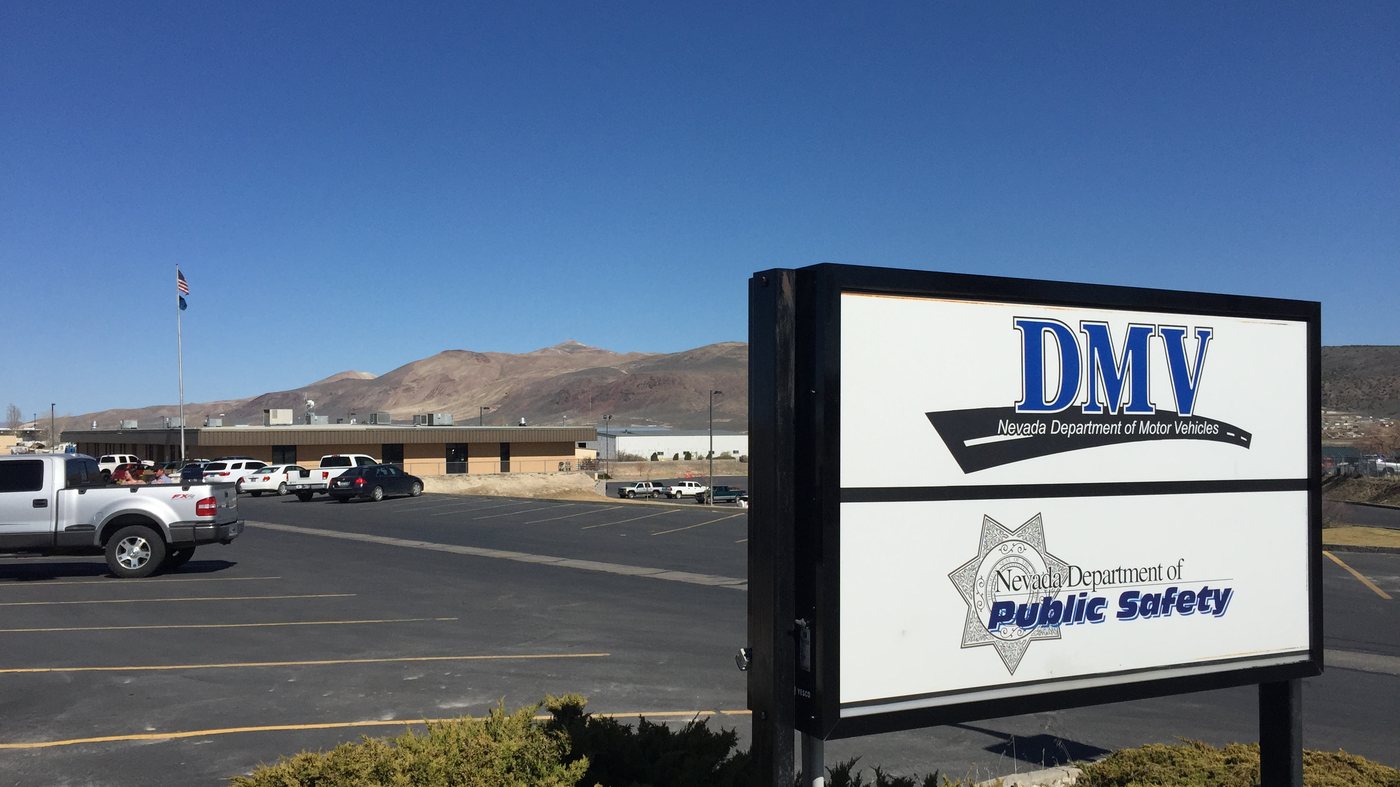
Moving to a new state can be an exciting adventure, but it also comes with a long to-do list of administrative tasks. Among the most important is updating your driver's license and vehicle registration. Failing to do so in the correct order can result in costly late fees and rejected applications. Here’s a step-by-step guide to ensure you avoid common pitfalls and navigate the process smoothly.
The Clock Starts When Residency Starts
In some states, the deadline for obtaining a new driver's license and registering your vehicle begins as soon as you establish residency, not when the moving truck pulls away. In Delaware, for example, new residents must apply for a proper driver’s license and register their vehicles within 60 days of moving, while also notifying the DMV of their address change within 30 days. Similar deadlines apply in Maryland, where new residents have 60 days to obtain a Maryland driver’s license, vehicle title, and registration.
Timelines vary by state, with some giving residents just 10 days, like California, while others allow up to 60 days, such as Connecticut. It’s crucial to check your new state’s requirements as soon as possible to avoid unnecessary delays and fees.
- California 10 days
- New Mexico 30 days
- Connecticut 60 days
- New York 30 days
- South Carolina 45 days
Insurance Comes Before Registration in Some States
Some new residents assume their current out-of-state auto insurance will suffice for their registration in the new state. However, this is not always the case. In Nevada, for instance, out-of-state insurance is not accepted for vehicle registration. The state requires proof of Nevada-specific auto insurance before processing a new registration. Similarly, the District of Columbia mandates that all vehicles registered in the district have a valid DC inspection sticker and proof of insurance at the time of registration.
To avoid rejected applications and additional steps, be sure to obtain the appropriate insurance coverage for your new state before attempting to register your vehicle. Contact your insurance provider to discuss your options and any required documentation.
Inspection and Emissions: Don't Forget about the VIN
Some states require a vehicle inspection, emissions test, or Vehicle Identification Number (VIN) verification before registration. In the District of Columbia, for example, all vehicles must have a valid DC inspection sticker, and inspection fees are paid at the time of vehicle registration, not at the inspection station. Nevada also requires an emissions vehicle inspection report and a VIN inspection as part of the registration process.
It's essential to research your new state's specific requirements and schedule any necessary inspections or verifications before your DMV appointment to ensure a smooth registration process. This will help you avoid the hassle of returning to the DMV for additional documentation.
Don't Put off Title and Plates
Obtaining a new title and surrendering your out-of-state license plates may be required steps that should not be overlooked or left until the last minute. Delaware, for instance, requires new residents to title and register their vehicles within 60 days of becoming a resident. Similarly, Maryland mandates that new Maryland residents obtain a Maryland vehicle title and registration within 60 days of moving.
When registering your vehicle in your new state, be prepared to provide proof of ownership, such as a current registration, and surrender your out-of-state license plates, if required. Check your new state's guidelines for proper disposal or return of your old plates to avoid any future complications.
Document Checklist Before the DMV Appointment
To streamline the process and ensure a successful DMV visit, gather the following documents before making your appointment:
- Proof of auto insurance in your new state
- Current vehicle registration
- Current odometer reading
- Out-of-state license plates
- Vehicle Identification Number (VIN) verification (if required)
- Proof of residency (e.g., utility bill, lease agreement, or mortgage statement)
- Proof of identity (e.g., birth certificate, passport, or military ID)
- Payment for any applicable fees
Having these documents readily available will help minimize delays and ensure a smoother registration process. Remember that specific document requirements may vary by state, so consult your local DMV for the most accurate information.
Conclusion
Moving to a new state can be a smooth process with the right preparation. The key is to understand the specific requirements and deadlines for your new state, and to follow the correct sequence of steps. Always check the official DMV website for the most accurate and up-to-date information, as requirements can vary significantly from state to state. By staying organized and proactive, you can efficiently navigate the administrative tasks associated with your move and avoid costly delays or penalties.