Food and Local Life
Farmers Market vs Supermarket: Where the Price and Freshness Difference Really Is
When it comes to farmers market vs grocery store prices, shoppers often seek a simple answer: which is cheaper?
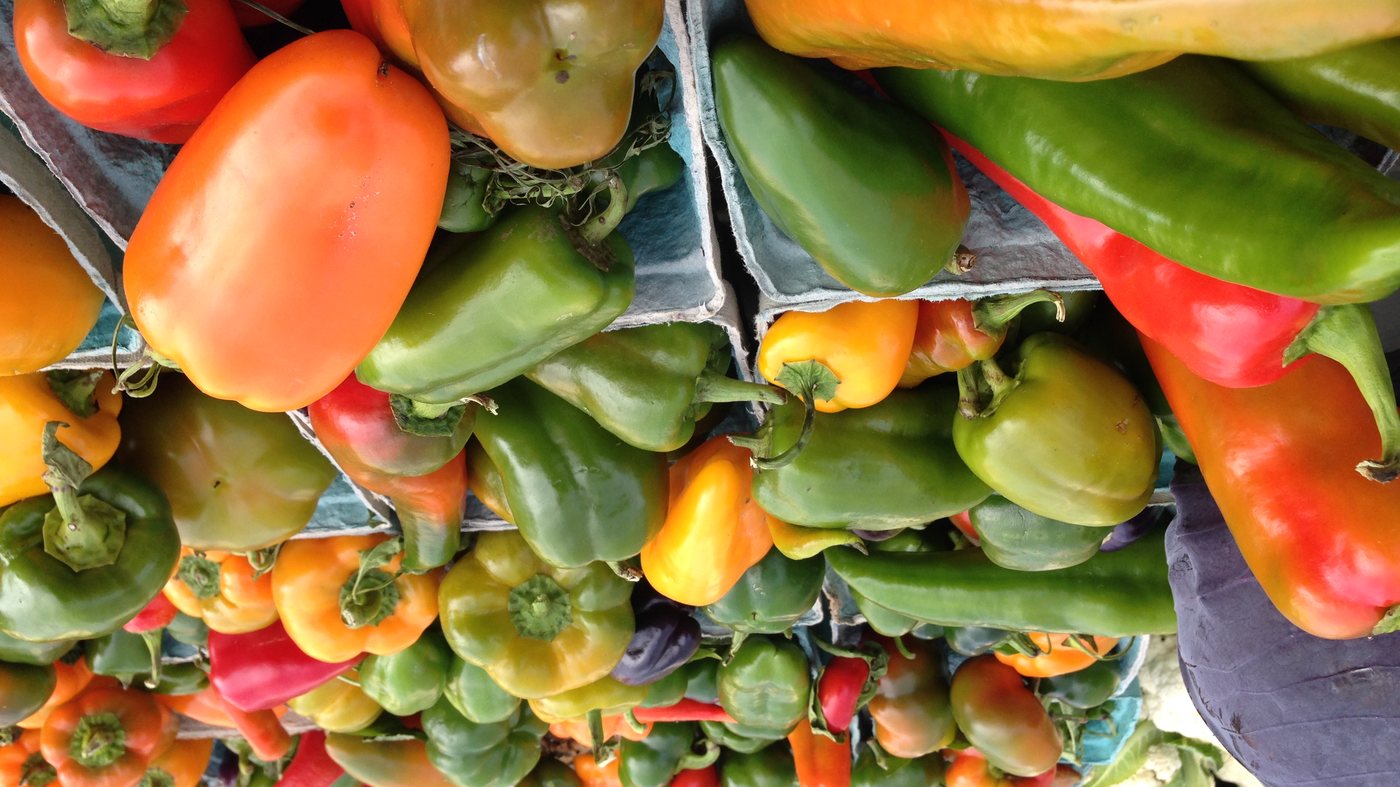
When it comes to farmers market vs grocery store prices, shoppers often seek a simple answer: which is cheaper? But the reality is more complicated, and the answer depends on the specific products being compared. USDA data suggests that supermarket shelf prices reflect a range of farm, processing, and retail costs, meaning that the gap between "farm price" and "retail price" is not a fixed amount, but a category-specific value.
Price is Category-Specific
Groceries are not a single-price comparison, but a mix of several competition-by-competition tradeoffs. According to Cornell University's Farmers Market Research Project, the price difference between farmers markets and grocery stores in New York is $0.09 for apples, from November, with grocery-store apples priced at $1.38 and the farmers market selling apples for $1.47 per pound. The Nevada Department of Agriculture notes a similar variance in its farm-product price comparisons in Nye County, with farmers markets showing lower prices for items like tomatoes and beets, while supermarkets price match for aubergines and apples.
But growers' prices do not determine supermarket shelf prices. As USDA ERS notes, retail food prices are partially influenced by farm-level commodity prices, but processing and retailing costs play an even greater role in what shoppers see at their local store. For instance, in 2022, the dairy farmers' share of the grocery-store retail price of Cheddar cheese was 36 percent, up from 29 percent in 2021,. So when it comes to the price of grocery-store cheese, about 64% of the cost reflects factors beyond the cost of milk and cheese-making.
This means that the crucial question is not "are grocery-store prices higher?", but "how do grocery-store prices compare by category, and how do those prices compare to local market prices?" On a per-item level, the comparison often favors neither product's sale entirely, according to USDA data.
What the Data Actually Show
Across the nation, side-by-side price comparisons show consistent category-specific price differences between farmers markets and grocery stores. According to Cornell's farmers market research, in Ithaca, New York, market apples averaged $1.47 per pound in 2025, while local supermarkets averaged $1.38 per pound in the same period. The market melons weighed in at $2.46 for them average watermelon, versus the $1.70 they averaged at supermarkets in the same region.
These category-specific differences are evident in the pricing without breaking the bank and offering a variety of fresh fruits and vegetables. Tomatoes in Nye County, Nevada, averaged 30 cents cheaper at the farmers market in 2025, compared to supermarkets, while apples at two grocery stores were 21 cents cheaper, and peppers more expensive in-market. For many weekly shoppers, the choice between markets and stores is a mix-and-match proposition. Both have price advantages and price disadvantages, both by product and by harvest period.
The Freshness Claim Needs Tighter Sourcing
Marketing and newspaper articles, as well as credit card promotion materials, frequently show photos of blemish-free produce and note that food sold at retail stores' farm says it's fresher. But check-out lines of 3 items, with bread and milk, don't prove its freshness.
A meaningful side-by-side freshness comparison is not reliable in this article. If you are concerned with a product's freshness,.
Who is Really Selling at the Table
When you stop at a produce stand, whether at a big swamp airfield or highway on-ramp farmers market, your first impression might not be telling you that the stand is fronting for a large wholesaler, instead of a local grower with a marketing rapport.
What Labels Can Mean
Farmers markets can sell for 85 to 95% for foods that don't sell in a big chain store. But are your suppermarket purchases really "local," "certified" or "organic"? Without a reliable definition from your source, this article cannot confirm
The Shopper Takeaway
While more research is needed, current data indicate that, across the United States, the line between what makes economic sense and what is feasible for the average shopper often aligns with data from California. There, at the markets included in this article, shoppers can usually get fresh produce from local farmers and vendors, at prices that are cheaper than local supermarkets. Farmers Markets are better supported across the nation by taxpayers because providing nutrients to congregate at a food bank is less resource-effective than providing nutrients direct to at-risk shoppers. But while the overall consequences of choosing a farmers market over going to the grocery store are mostly positive, with nutritious food, and convenience being a draw, groceries and regular purchases of processed food are less common than at the grocery store, and their price is similarly uncompetitive with rivals. At the current prices, and with the current support for farmers who have brought their products to market, the only downside to going to the farmers market is that few shoppers are shopping there.